
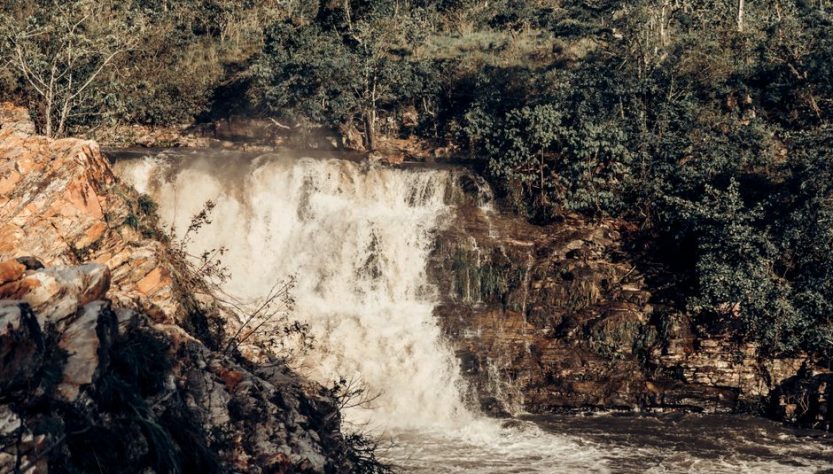
You arrive at Ubirr just before sunset, with red dirt on the tyres, a half-full water bottle in your bag and enough daylight left to climb the lookout. Below you, the Nadab floodplain still holds pockets of water. Wallabies move through the grass. The air feels cooler than Darwin, but summer has not fully released its grip.
That is Kakadu in May: part wet season, part dry season, and full of small changes that affect access, wildlife and your route. Some waterfalls still run strongly. Wetlands remain rich with birds and crocodiles. Rock art sites offer reliable sightseeing even when rain delays a swimming hole or closes an unsealed road.
May is the best month for a balanced Kakadu trip if you want water, wildlife and culture in one visit. It is not the best month for a guaranteed waterfall circuit. Plan around access updates, keep a dry-weather backup and give yourself at least three days.
Which Kakadu waterfalls are realistic in May?
Waterfall reality check
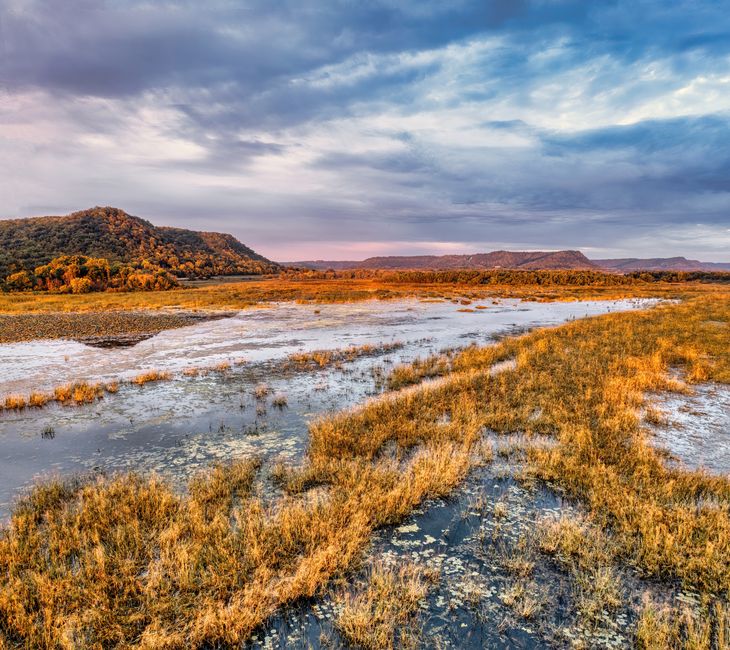
May gives you a chance to see waterfalls with genuine flow, but the famous sites do not all open at the same time. Jim Jim Falls and Twin Falls often need dry roads, repaired crossings and completed crocodile checks before rangers allow visitors through. Gunlom and Maguk also depend on road conditions and site inspections. A waterfall can look ready from a distance while the access road remains unsafe.
| Site | May planning view | Best backup |
|---|---|---|
| Jim Jim Falls | Do not assume access; check the current report before travelling. | Motor Car Falls or Yurmikmik walks |
| Twin Falls | Access can open later than other dry-season sites; road and infrastructure work may close it. | Ubirr sunset or Burrungkuy walks |
| Gunlom | Road conditions and crocodile management can limit access or swimming. | Nawurlandja lookout |
| Maguk | Often a strong early dry-season option when the road and creek conditions allow. | Kubara Pools or Mamukala wetlands |
| Motor Car Falls | A useful alternative when major waterfall roads remain uncertain. | Yurmikmik walking tracks |
How to build a waterfall day that does not collapse
Choose one major waterfall, not three distant sites. Leave enough time for a slow road, a closed gate or a change of plan. If you need a swimming day, treat swimming as a bonus rather than the reason for booking the trip. Rangers may close a waterhole after spotting a crocodile or after heavy rain changes the risk.
For May 2026, Jim Jim Falls and the Twin Falls area remain closed for road and infrastructure work, including the gorge, plateau walk and Karnamarr campground. That makes Motor Car Falls, Maguk if listed open, and the Yurmikmik area more useful targets. The clear winner for a flexible waterfall plan is one confirmed open site plus a nearby cultural or wetlands stop.
How to experience Kakadu’s wetlands in May
Why Yellow Water works early in the dry season
As floodplains shrink, birds and crocodiles concentrate around permanent or slow-drying waterways. Yellow Water, also called Ngurrungurrudjba, gives you a close view of that seasonal change without requiring a long hike. Expect magpie geese, whistling ducks, egrets, jabirus and crocodiles. You may also see buffalo grazing on the floodplain.
The Indigenous-owned Yellow Water Cruise runs from Cooinda and offers several departures. Prices and departure times can change, so treat those figures as a planning guide and confirm the booking directly.
Boat cruise or bird hide?
Choose the cruise if you want a moving view of channels, grassland and wildlife with commentary. Choose Mamukala wetlands if you prefer a quiet, low-cost walk where you can wait for birds to appear. The Mamukala bird hide works best when you slow down and stop scanning every few seconds. Bring binoculars if you have them; a phone zoom rarely gives a satisfying view across open wetland.
Book the first or last suitable cruise when photography and wildlife matter most. Midday light flattens the landscape and makes birds harder to distinguish. Allow extra driving time from Jabiru: Cooinda sits roughly 56 kilometres away, and a slow park road can turn that distance into a longer transfer than the map suggests. My verdict: Yellow Water is Kakadu’s strongest paid experience in May, while Mamukala is the better free add-on.
Which rock art sites should you choose?
Is Ubirr better at sunset?
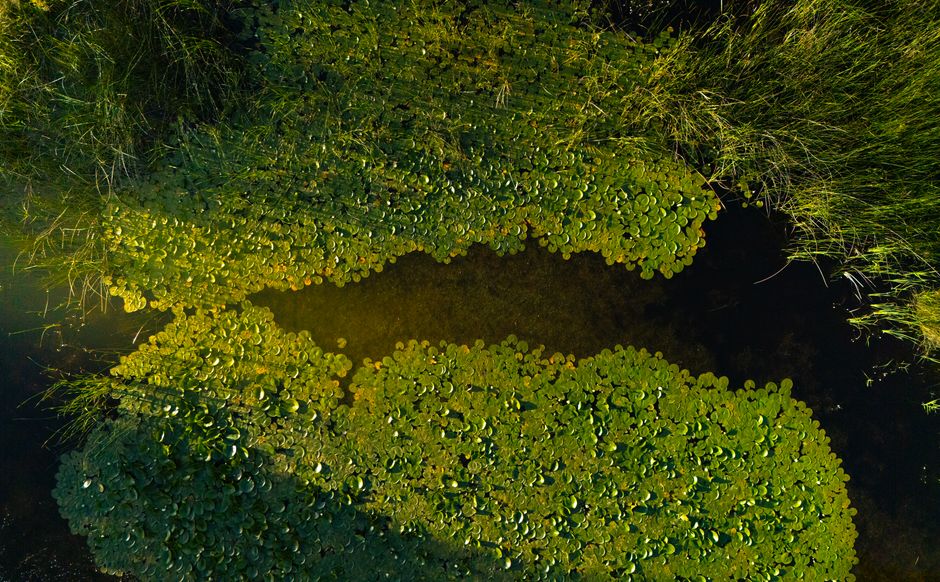
Yes. Ubirr gives you a short art walk, a sandstone lookout and a wide view across the Nadab floodplain. The main loop covers roughly one kilometre, with a steeper climb of about 250 metres to the lookout. The combination makes Ubirr the best choice for a first visit, especially when you reach the top late in the day and watch the floodplain change colour.
Read the paintings as cultural places, not as decorative walls. Stay behind barriers, never touch the rock and listen to ranger or Traditional Owner explanations when available. Ubirr can attract a crowd near sunset, but the art galleries spread visitors across several points on the loop.
When is Burrungkuy better?
Choose Burrungkuy, also known as Nourlangie, if you want more time with individual galleries and a shorter, easier route near the main Anbangbang art site. The paved section suits visitors who do not want a steep climb, while nearby walks add views across escarpment country. Nanguluwurr makes a good extension for walkers who want a quieter art site and do not mind carrying extra water.
May is a reliable month for rock art because these sites often open earlier than remote waterfalls. Start before the heat, spend the middle of the day at a visitor centre or accommodation, then use Ubirr for late light. My clear recommendation: first-time visitors should choose Burrungkuy in the morning and Ubirr near sunset rather than trying to rush both at midday.
The mistakes that spoil a May Kakadu trip
Do not build the itinerary around one waterfall
My strongest advice is to stop treating the Access Report as background reading. It controls the practical shape of your trip. A route that looks simple on a map may include an unsealed road, a high-clearance four-wheel-drive requirement, a creek crossing or a site that opens only after crocodile surveys. In 2026, the Jim Jim and Twin Falls area remains closed, so copying an older guide can send you toward a destination you cannot visit.
Do not enter a closed road or walk around a gate. Do not swim because a waterhole looks clear. Kakadu is crocodile country, and water levels can change after rain. Gunlom, for example, can offer an open lookout while still restricting access to the bottom plunge pool.
Pack for delays and rough conditions
- Carry three litres of water per person for a full walking day, plus an emergency reserve in the vehicle.
- Use sturdy walking shoes instead of smooth-soled sandals on sandstone, loose gravel and wet creek edges.
- Bring insect repellent, a wide-brimmed hat, sunscreen, a rain shell and a physical map or offline map.
- Refuel before a long regional drive and avoid planning a late arrival at a remote campground.
- Keep a cultural site, wetland walk or visitor centre as the backup for every waterfall booking.
The worst mistake is trying to cover Kakadu as if it were a compact attraction park. Distances, seasonal roads and heat punish rushed schedules. Two meaningful stops in one day beat five photographs taken from a car park.
Is Kakadu in May right for your trip?
Will May suit a waterfall-focused traveller?
Only if you can accept changing access. May keeps more water in the landscape than the later dry season, but it does not guarantee that every famous fall has opened. Choose May for green floodplains, active wetlands, cooler mornings and the possibility of strong waterfall flow. Choose July or August if your main goal is the greatest chance of reaching established dry-season waterfall sites, provided current closures allow it.
What is the final recommendation?
For a first Kakadu visit, book three full days in May, base yourself near Jabiru or Cooinda, reserve a Yellow Water Cruise, and plan Burrungkuy plus Ubirr as the fixed cultural anchors. Treat Maguk, Motor Car Falls or another waterfall as the flexible nature day after checking the Access Report. In 2026, do not plan Jim Jim Falls or the Twin Falls area because the official closure covers the whole area.
May is the best choice for travellers who want Kakadu’s three sides at once: living wetlands, early dry-season water and ancient rock art. Follow the current access notices, protect enough time for each region and choose confirmed open sites over famous names copied from an old itinerary.